
Living on the California Coast |
Discover the magic and challenges of coastal living in California - from stunning sunsets to rising sea levels. |
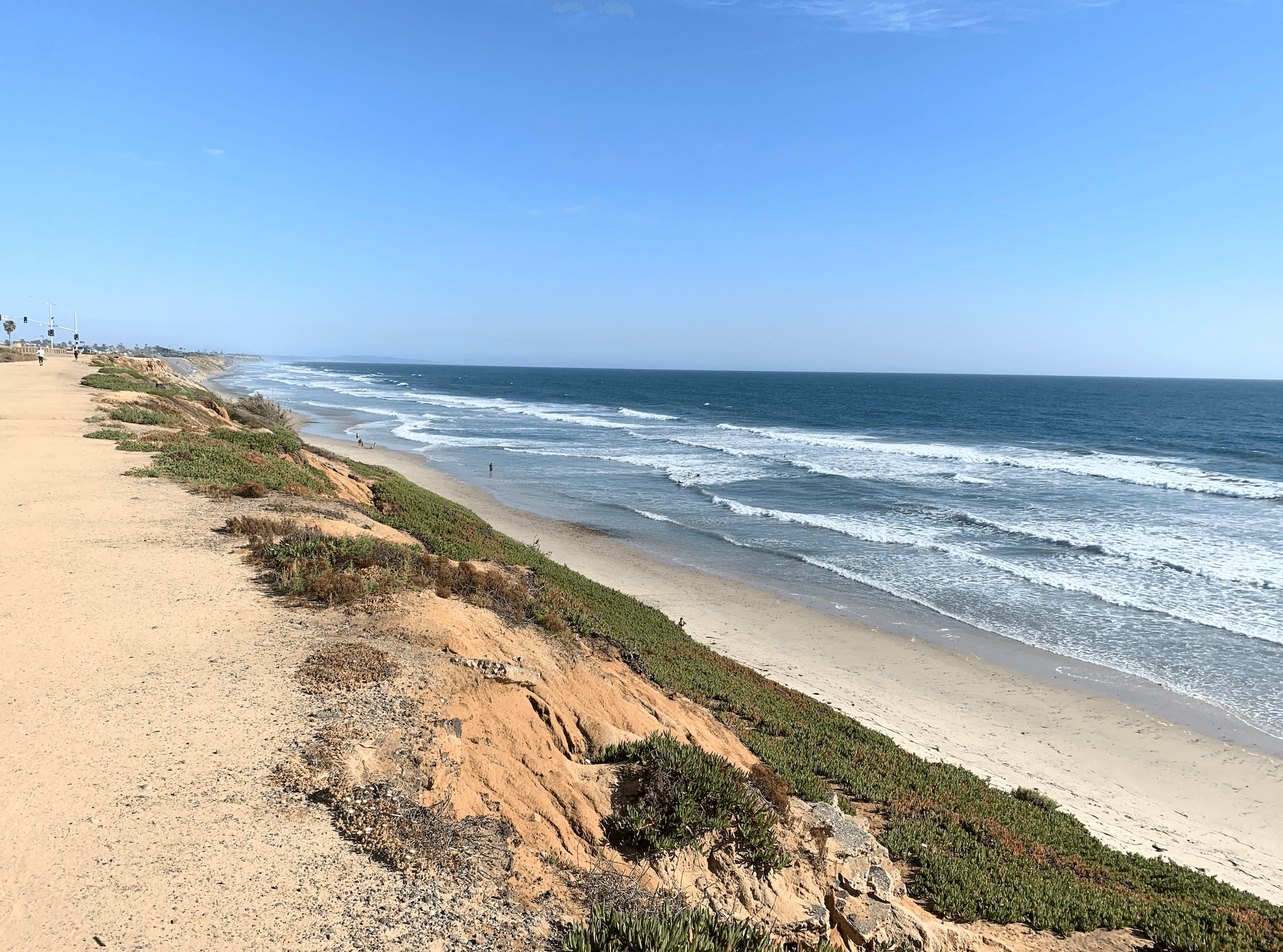
The California coast may appear idyllic — sunshine, salty air, soothing waves just outside the door. But for people who live there long-term, the reality includes a number of surprises and daily challenges that visitors almost never see.
If you move to the coast, get ready for fog and overcast skies — often lingering well into the afternoon. What many outsiders don’t realize is that summers here are frequently dominated by a thick, damp marine layer. Clothes, outdoor furniture, and personal routines all adapt to the cooler, gloomier reality. For inland or sun-loving newcomers, it can feel disappointing when “beach weather” means sweaters instead of swimsuits. Over time, locals learn to appreciate the moody, atmospheric vibe — though they sometimes still miss consistent sunshine.
2. Salt Air Wrecks Metal — Fast The ocean air, heavy with salt, is relentless on metal. Car parts, patio furniture, door hinges, light fixtures — virtually anything with metal or screws begins to rust within months. Even brand-new vehicles parked near the coast can show corrosion after a year or two. That means frequent replacements, marine-grade materials, protective coatings, and a constant fight against decay. What seems like an idyllic seaside home often involves ongoing maintenance most visitors never see.
3. It’s Colder Than You Expect — Especially Indoors Despite California’s warm-weather reputation, coastal homes are often chillier than people anticipate. The ocean moderates temperature swings — summers aren’t sweltering and winters don’t get extremely cold, but the damp air can make cool weather feel colder. Many older houses were built assuming central heating wouldn’t be needed, so residents rely on space heaters, fireplaces, layers, and blankets. Heating bills can surprise newcomers who expected mild comfort year-round.
4. Parking Is a Nightmare
During busy weekends and holidays, coastal towns fill with visitors — and finding a parking spot becomes a daily challenge. Residents sometimes circle their own neighborhoods for half an hour or more just to park near their homes. Even permit systems don’t guarantee a space when crowds surge. As a result, locals often schedule errands during off-peak hours or avoid certain areas during tourist-heavy times.
5. Constant Moisture Leads to Mildew and Mold
The same dampness that brings fog also creates ideal conditions for mildew and mold. From bathrooms and window frames to outdoor cushions and shoes in closets, mildew can appear faster than you’d expect. Towels take forever to dry, stuff left outside overnight becomes damp, and musty smells become familiar — prompting frequent cleaning, mold-fighting products, and dehumidifiers as part of everyday maintenance.
6. Wildlife Is a Part of Everyday Life — For Better or Worse
Living near the coast means sharing your space with animals: seagulls, raccoons, sea lions, even coyotes. Seagulls might steal food off your outdoor table, raccoons could raid your trash at night, and sea lions sometimes bark from docks or piers early in the morning. Coyotes may roam yards, making it risky to leave small pets outdoors. What sounds charming at first — “living with nature” — quickly becomes a constant reality that residents adapt to.
7. Sand — Everywhere, All the Time
No matter how hard you try, sand creeps into everything. It works its way into carpets, couches, cars, drawers, even bed sheets. Cars need regular vacuuming; floors feel gritty; doormats offer limited help when the wind blows fine grains through open windows or doors. Locals often set up “beach-to-home” routines — remove shoes at the door, use special mats, have outdoor showers — but still accept that sand will infiltrate daily life.
8. Coastal Housing Comes at a Huge Price
Living by the ocean in California comes with a steep cost. Even modest homes, in less-famous beach towns, often sell for well over a million dollars. Rents can run thousands of dollars a month for small apartments. For many working people, living close to the beach becomes financially impossible — pushing them to commute from inland areas or accept compromises in space or comfort. The high cost of coastal real estate shapes who can afford to live there, even if few locals openly discuss it.
9. Tourists Turn Peaceful Towns into Crowded Chaos
During summer and holiday seasons, sleepy beach towns transform under wave after wave of tourists. Restaurants locals love get swamped, grocery store shelves empty fast, traffic snarls up, and simple errands can become hour-long ordeals. Beloved beaches and piers fill with unfamiliar faces, and a calm community vibe turns noisy and chaotic — often leaving residents feeling like visitors in their own towns. Many change their routines: shopping early in the morning, avoiding certain spots, or waiting until tourist season ends.
10. Your Garden — and Anything Growing — Might Not Survive
Salt spray, ocean winds, and salty soil make coastal gardening a challenge. Many common plants and vegetable gardens simply can’t handle the conditions. Instead, hardy succulents and native coastal plants tend to thrive. Coastal gardeners often go through trial and error, giving up on delicate flowers or vegetables and learning which tough species can survive — embracing landscaping that works with the environment, not against it.
11. Seismic Risk and Tsunami Awareness Are Always in the Back of Your Mind
Several fault lines run along the California coast, so earthquakes are always a possibility. Residents generally secure furniture, keep emergency kits ready, and maintain earthquake insurance. On top of that, living near the ocean means also being aware of tsunami risks — especially for homes near bluffs or beach fronts. Even if such events are rare, many coastal dwellers accept seismic readiness as part of everyday life.
12. Ocean Conservation Rules Limit What You Used to Take for Granted
Many sections of the coast fall under protected marine zones. That means fishing, shell-collecting, and even some recreational activities may be restricted or banned — sometimes even in spots locals used to frequent regularly. For people who grew up coastal but relied on those traditions, the new regulations can feel restrictive and frustrating. Everyone living on the coast has to stay alert to updated rules, posted signs, and legal consequences — even when it seems unfair to longtime residents.
13. Erosion Threatens Land, Homes, and Peace of Mind
Rising sea levels and powerful storms slowly eat away at cliffs and beaches. Homes that once felt safely set back may now find themselves dangerously close to eroding edges as coastal land disappears — sometimes several feet per year. For homeowners, this is more than a nuisance: insurance rates go up, resale value becomes uncertain, and protective measures like seawalls offer only temporary reprieve. Watching your land shrink into the ocean is a stress many coastal residents carry silently.
14. Amazing Wildlife — Right Outside Your Window
Despite the hardships, coastal living comes with remarkable natural perks. Twice a year, migrating gray whales travel along the California coast — and from some shorelines or coastal homes, you can spot them breaching or spouting. Dolphins also frequent the surf, often visible from beaches or coastal overlooks. For residents, these sightings become ordinary magic: morning coffee with whales, or dolphins playing in the waves at sunset — little daily reminders of why they chose coastal life.
The California coast is a place of contrasts: breathtaking natural beauty, but also weather and environmental forces that shape — and sometimes complicate — daily life. For locals, coastal living means accepting a certain rhythm: cozy sweaters over bikinis, rust-proofing over summer shine, constant clean-ups, and a humbling respect for the ocean’s power. What outsiders see as paradise often contains hidden costs — physical, financial, and emotional — that only those living there experience fully. |
0 Comments
Join the conversation
Be the first to comment
Share your thoughts above.